
- Services
- Processes
Biological Treatment
Biological treatment is a flexible solution for removing pollutants and other contaminants from wastewater.
Biological treatment systems can remove multiple pollutants in a single treatment step including organic contaminants and nutrients such as nitrogen or phosphorous. Generally, this makes it a more cost-effective solution than chemical or physical treatment. This also makes biological treatment ideal for large scale facilities in the municipal and industrial sectors.
COMINERGY can engineer systems across the spectrum of requirements from large treatment facilities for municipal and industrial applications to smaller systems addressing individual needs.
While biological treatment alone can be utilised in applications where the standards for the effluent are lower, COMINERGY can also develop systems that combine biological treatment with chemical and/or physical treatment (filtration, solid/liquid separation, membrane technology etc) to meet specific effluent quality standards or for water reuse.
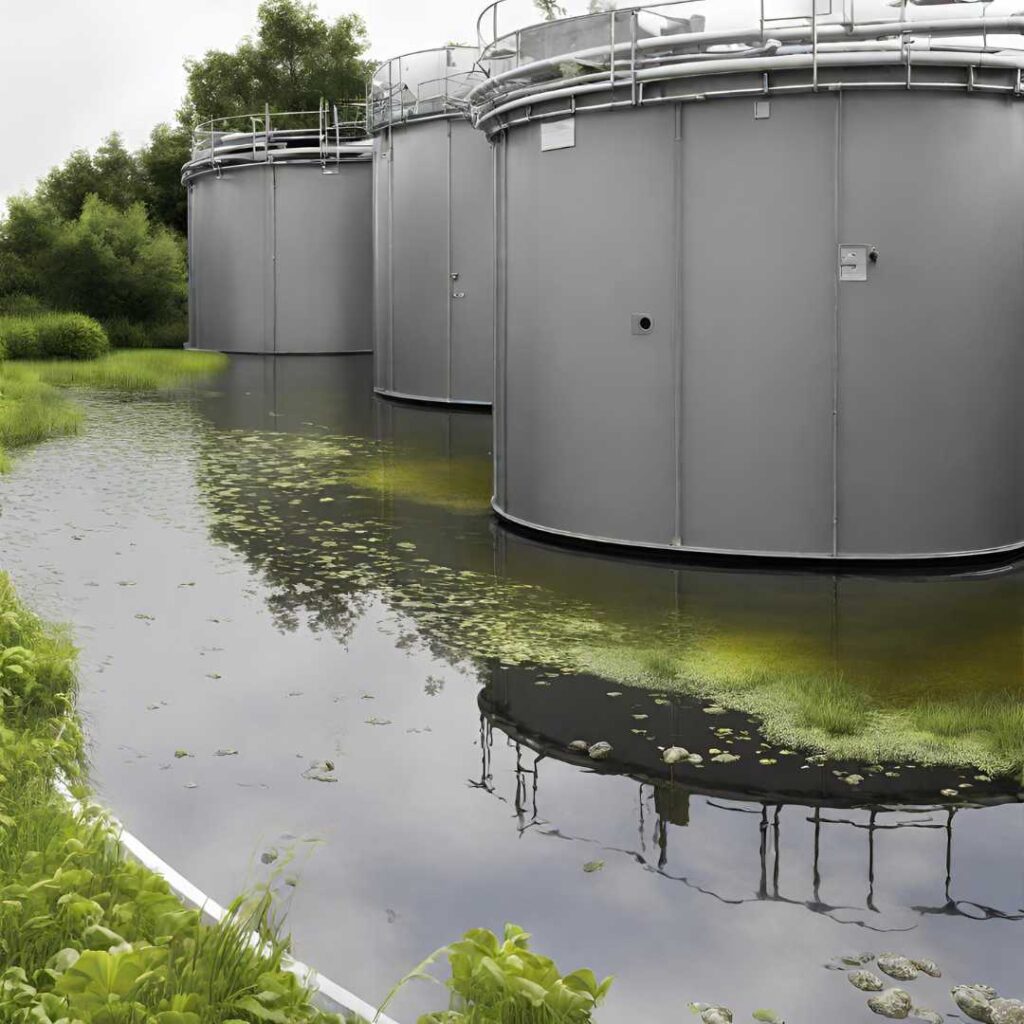
Resource recovery
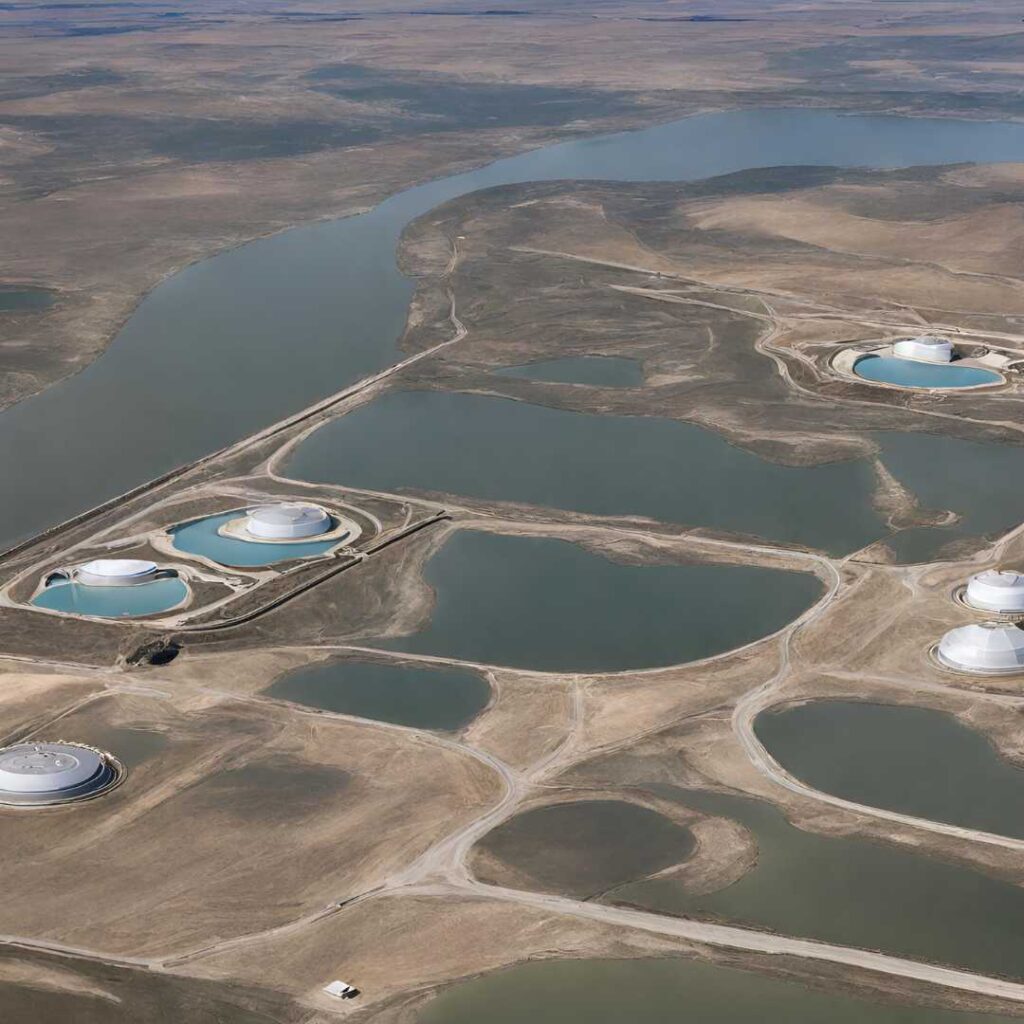
Aerobic and Anaerobic Digestion
Biological wastewater treatment essentially utilises the natural processes of microorganisms (biomass) to breakdown nutrients and organic compounds. The process can take place either aerobically, i.e. in the presence of oxygen, or anaerobically, i.e. without oxygen, depending on the requirements.
Aerobic Digestion
Aerobic digestion requires the presence of oxygen in order for the biomass to operate effectively. As a result, air is circulated through the treatment tank. The system is capable of removing both nutrient and organic pollutants, making it suitable for applications such as domestic water treatment. The retention time in an aerobic reactor is short due to the high growth rate of the biomass, allowing for larger amounts of wastewater to be treated. The by-products of such a treatment method include nitrogen compounds and phosphates which can be used for agricultural fertilisers.
Anaerobic Digestion
Anaerobic digestion utilises a biomass without the need for oxygen. This process differs from the aerobic process in that it cannot remove nutrients from the wastewater, thus it is used more commonly as a primary treatment to treat industrial wastewater. In municipal applications anaerobic digestion is commonly used for sludge stabilization. A particularly valuable by-product of the anaerobic digestion process is biogas, which contains methane. Biogas can be used in applications such as power generation and heating. The biogas produced by the anaerobic process can be used to power the treatment plant itself, drastically reducing its operating costs.
Anaerobic digestion is a sensitive process requiring a delicate balance in temperature and pH level. The process also has a higher retention rate in the digester, which results in the need for larger digesters to treat similar amounts of waste compared to aerobic digestion. However, it can also cope with waste that has a higher organic solids content.
Technology to Maximise Water and Resource Recovery
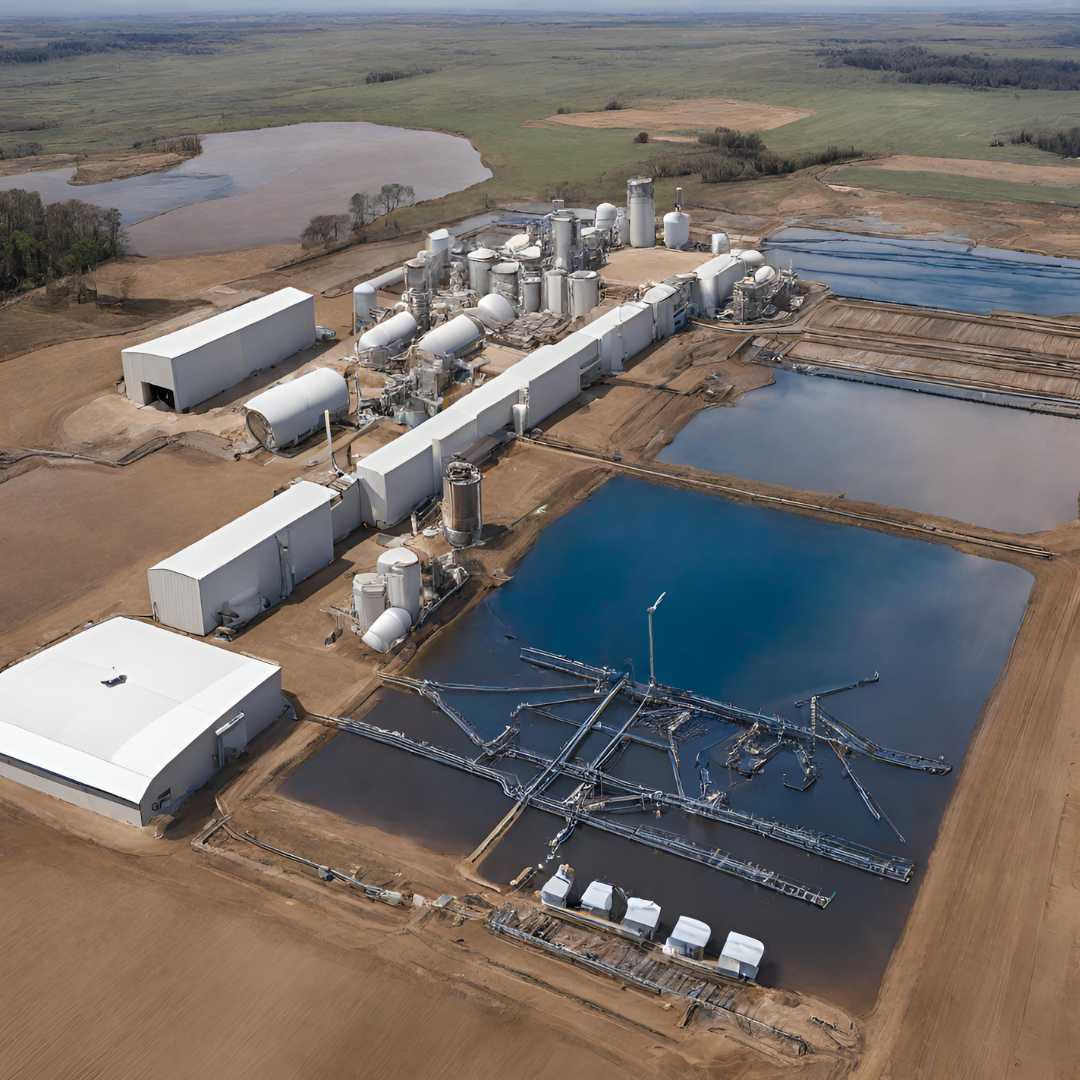
Anaerobic digestion utilises a biomass without the need for oxygen. This process differs from the aerobic process in that it cannot remove nutrients from the wastewater, thus it is used more commonly as a primary treatment to treat industrial wastewater. In municipal applications anaerobic digestion is commonly used for sludge stabilization. A particularly valuable by-product of the anaerobic digestion process is biogas, which contains methane. Biogas can be used in applications such as power generation and heating. The biogas produced by the anaerobic process can be used to power the treatment plant itself, drastically reducing its operating costs.
Anaerobic digestion is a sensitive process requiring a delicate balance in temperature and pH level. The process also has a higher retention rate in the digester, which results in the need for larger digesters to treat similar amounts of waste compared to aerobic digestion. However, it can also cope with waste that has a higher organic solids content.
From Consultation to Turnkey Projects
Anaerobic digestion utilises a biomass without the need for oxygen. This process differs from the aerobic process in that it cannot remove nutrients from the wastewater, thus it is used more commonly as a primary treatment to treat industrial wastewater. In municipal applications anaerobic digestion is commonly used for sludge stabilization. A particularly valuable by-product of the anaerobic digestion process is biogas, which contains methane. Biogas can be used in applications such as power generation and heating. The biogas produced by the anaerobic process can be used to power the treatment plant itself, drastically reducing its operating costs.
Anaerobic digestion is a sensitive process requiring a delicate balance in temperature and pH level. The process also has a higher retention rate in the digester, which results in the need for larger digesters to treat similar amounts of waste compared to aerobic digestion. However, it can also cope with waste that has a higher organic solids content.
WANT TO KNOW MORE?
Get in touch with us today to learn how to transform your current or next project into a success.
