
- Services
- Processes
EVAPORATION
Natural evaporation occurs all the time and has been the conventional technique to concentrate brine streams in lagoons or disposal dams. The challenge is that natural evaporation rates are low and this requires large dam volumes. Enhanced techniques, such as thermal evaporation, are therefore used to treat concentrated brine streams.
Evaporation Methods Offered
Thermal EVAPORATION
Thermal evaporation can be very effective for concentrating or removing salts, heavy metals and a variety of hazardous materials from a solution. Also, it may be used to recover useful by-products from a solution, or to concentrate liquid wastes prior to additional treatment and final disposal.
Thermal evaporation involves feeding wastewater into a heat exchanger and heating the water to boiling point to create steam. The steam is condensed and cooled as clean water which can be recovered, with the concentrated salts remaining in the evaporation chamber. The salts are discharged when reaching certain saturation points to prevent damage or scaling in the chamber, The discharged brine may then be fed to a crystalliser to crystallise the salts.Dry salts or crystals are harvested. This is very relevant for ZLD solutions.
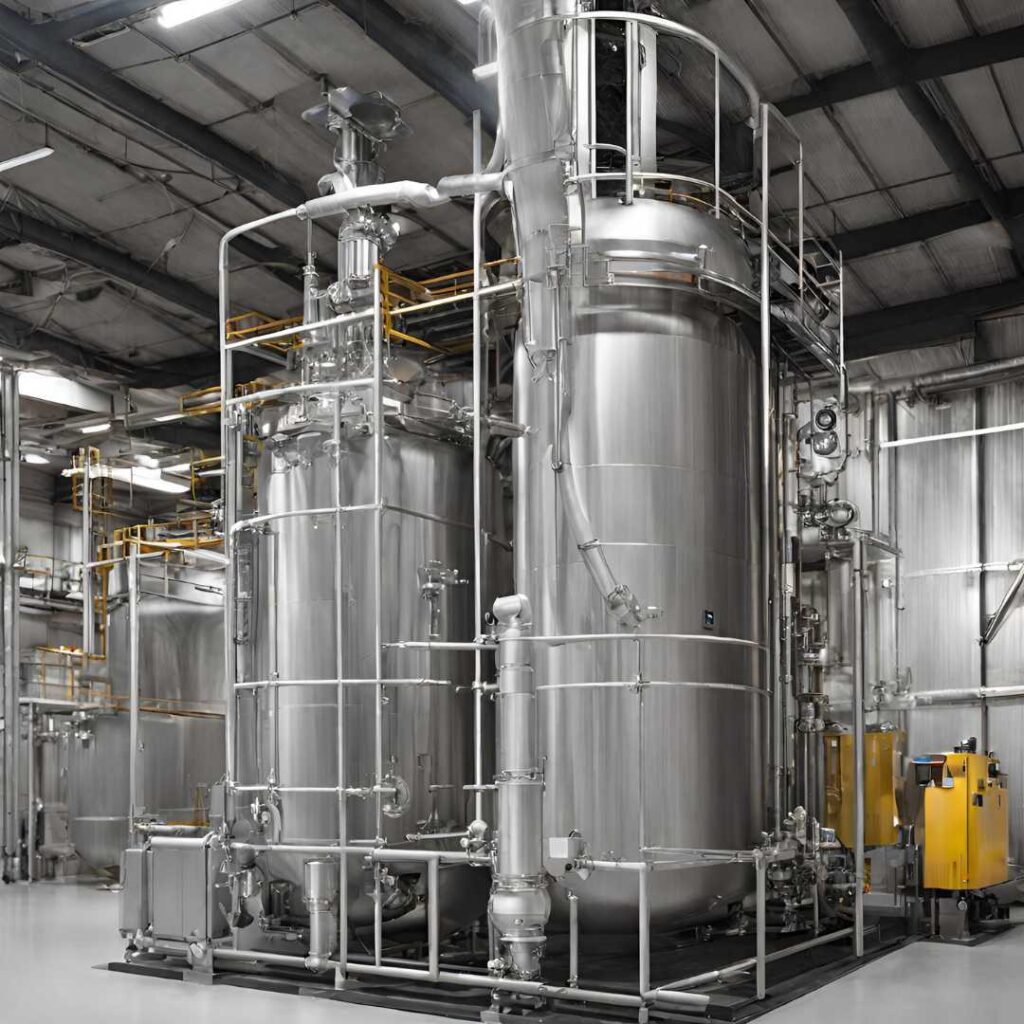
The following types of thermal evaporation are available
- Mechanical Vapour Recompression – uses electrical energy by driving a fan to recycle energy within the system
- Multiple-Effect evaporator – uses a fuel source (coal/diesel/gas) and has two or more evaporator chambers or effects to conserve energy and steam
COMINERGY considers our client’s various requirements and energy situation before designing a plant in order to offer the best economical outcome. Thermal evaporation is used when intense concentration is required.
COMINERGY offers thermal evaporators as packaged modular units.
Benefits of thermal evaporation
- Treats very complex wastewater streams
- Very high water recovery
- Resource recovery, for example, for the metal finishing and plating industry.gh water recovery
Mechanical Enhanced Evaporation
A less expensive option involves the use of mechanical enhanced evaporation. Water is pumped from a brine dam to spray evaporators that spray the water with a fan into the air. This water comes out as a fine mist (minute water droplets) which increases the surface area and therefore enhances the evaporation rate. Mechanical evaporators are normally used on existing brine dams to prevent the overflowing of dams.
Benefits of enhanced evaporation
- Lower cost compared to thermal evaporation
- Rapid and simple setup – e.g. an existing mine will not need to build new brine dams when production capacity is increased
WANT TO KNOW MORE?
Get in touch with us today to learn how to transform your current or next project into a success.
